What Teachers Wish Parents Knew: 5 Powerful Ways to Support Your Child’s Learning at Home
· 3 min read
As a primary teacher with more than 14 years’ experience, I’ve seen how small, intentional habits at home can transform a child’s confidence, independence, and readiness for school. Parents often ask me, “What can I do to support my child’s learning before they start school?”
The good news is that you don’t need teaching qualifications, complex activities, or long after-school routines. What children need most is a supportive home environment that nurtures curiosity, independence, emotional resilience, and a love of learning.
Here are the five things teachers most wish parents knew—practical, evidence-informed strategies you can start today.
1. Build Predictable Routines That Support Learning
Children thrive when life feels predictable. Consistent routines—bedtime, mealtimes, mornings, and after-school transitions—reduce stress, strengthen emotional regulation, and help children focus better in the classroom.
- Ensure your child gets enough sleep for their age.
- Create a quiet, organised space for unplugged activities.
- Maintain consistent morning and evening routines.
At school, children follow structured schedules. When they experience similar predictability at home, they adapt more smoothly and confidently to the school environment.
2. Foster Independence and Problem-Solving
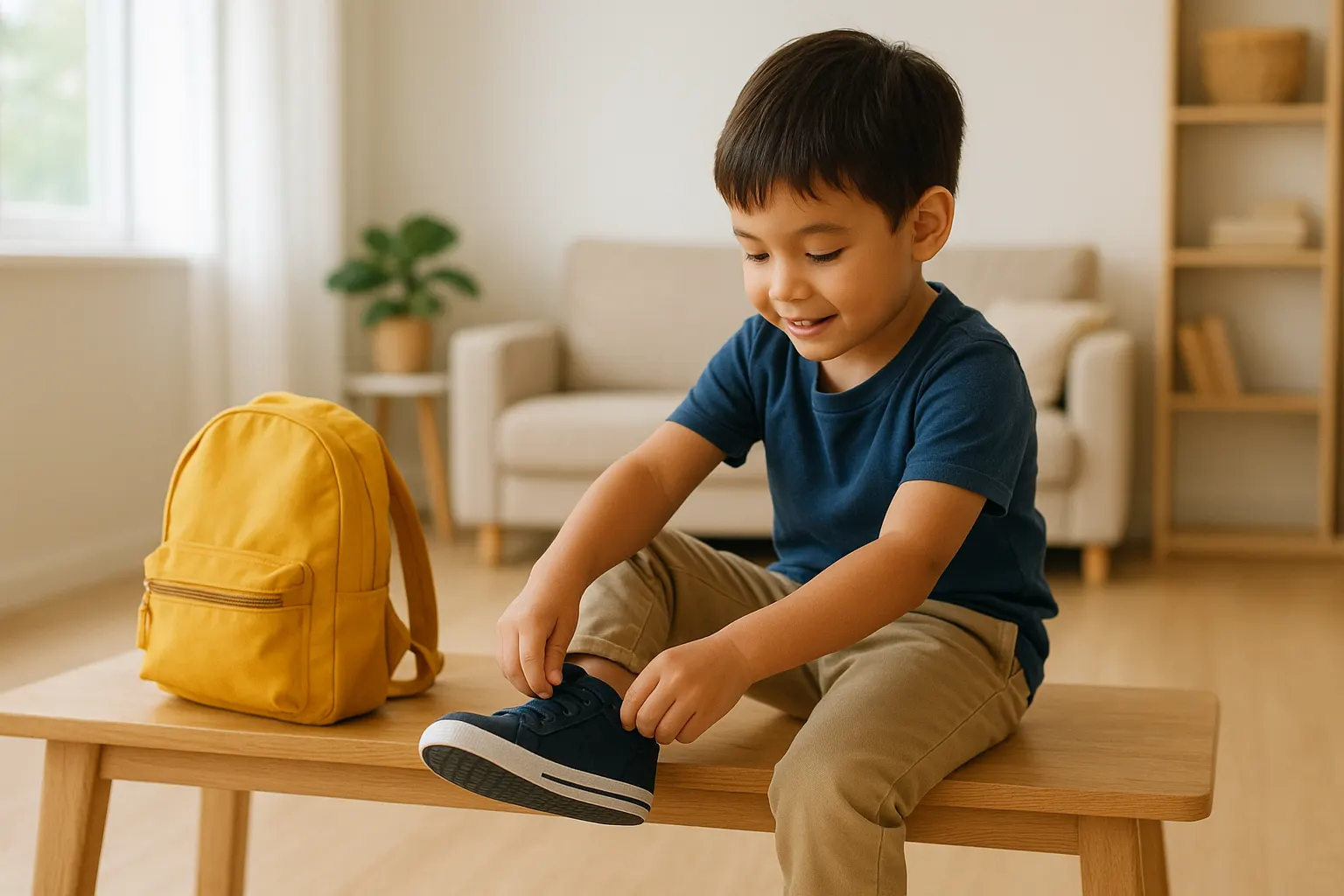
Developing independence is one of the most powerful ways to help your child grow into a confident, capable learner. When children have opportunities to try things for themselves, they build essential thinking skills that support success both at home and at school.
- Encourage your child to attempt tasks before asking for help.
- Use problem-solving prompts like “What could help with that?”
- Break tasks into small, manageable steps.
- Reflect after challenges: “What might you try differently next time?”
3. Prioritise Emotional Regulation and Social Skills Over Academic Skills
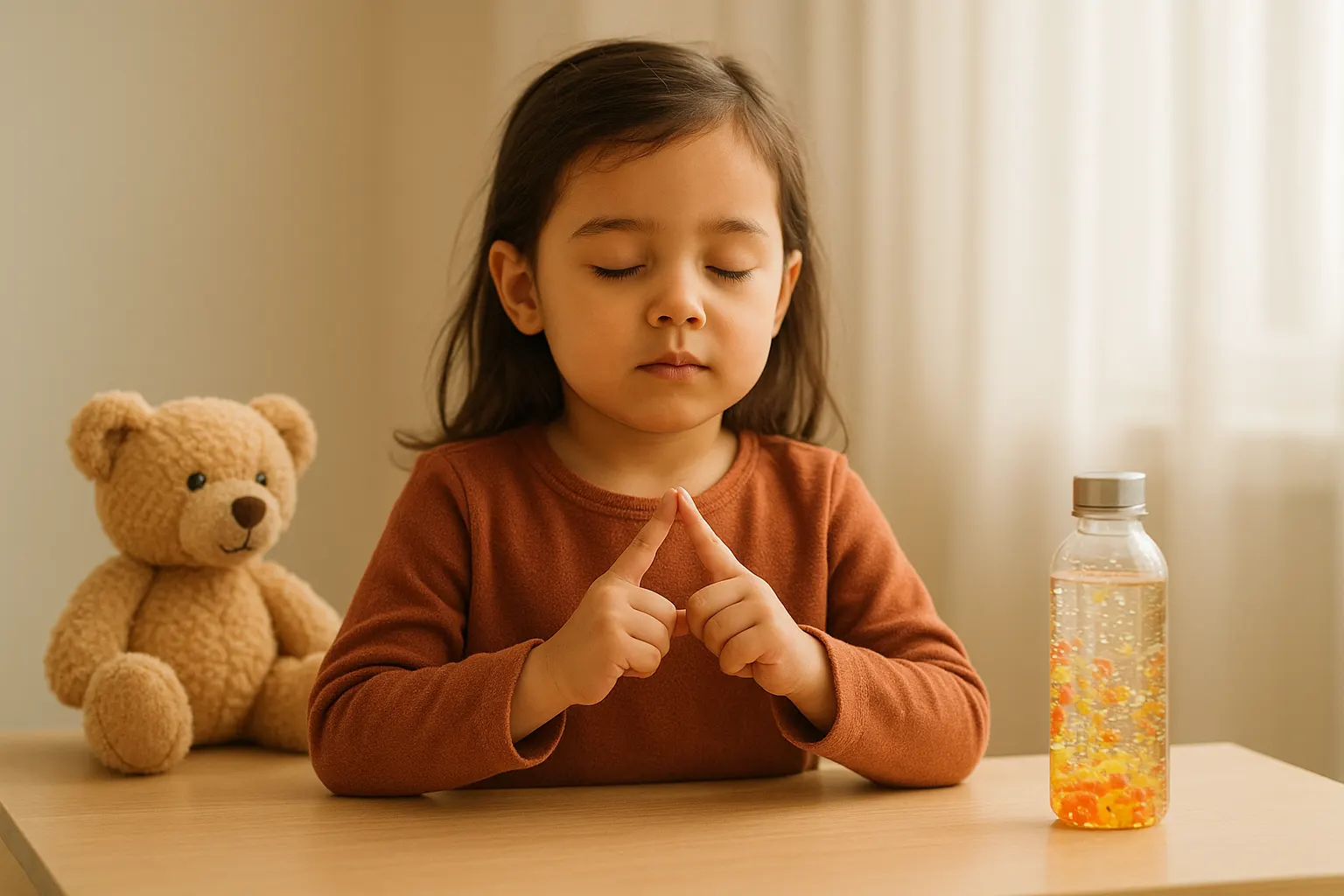
Many parents worry about letters, numbers, and early academics—but emotional regulation and social skills are far more important for school readiness.
- Teach them to name their emotions.
- Practise calming strategies together.
- Coach them through conflict.
- Model empathy and active listening.
4. Encourage a Growth Mindset in Everyday Moments
- Praise effort, not just results.
- Talk openly about mistakes.
- Remind them of past successes.
- Teach the power of “yet.”
When children learn that effort leads to progress, they develop resilience and confidence that supports them for years to come.
5. Make Reading a Daily Habit
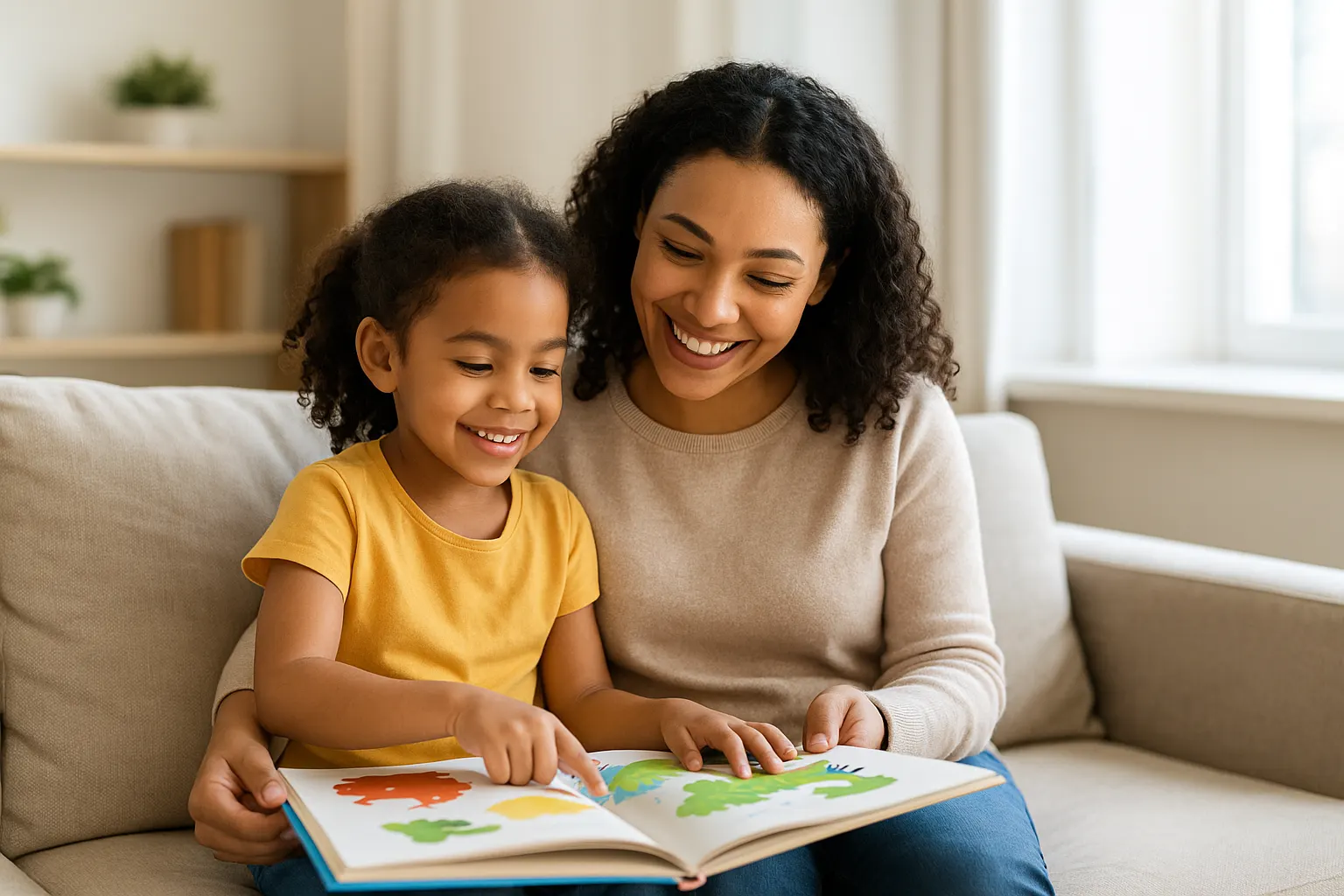
If there is one strategy that makes the biggest difference in learning, it’s reading at home every day. Just ten minutes a day helps your child build vocabulary, strengthen comprehension, and develop a love of stories.
- Build vocabulary and comprehension
- Strengthen attention and memory
- Develop critical thinking
Final Thoughts
Supporting your child’s learning at home doesn’t require long lessons or academic pressure. By focusing on what matters most—routines, independence, emotional well-being, a growth mindset, and daily reading—you’re giving your child the skills, confidence, and resilience they need to thrive both in school and in life.
Small, consistent actions make a profound difference. With a nurturing, predictable home environment and opportunities to learn through everyday experiences, your child will feel confident, capable, and ready for the exciting journey of starting school.

About the Author
Mrs W is a primary/elementary teacher with over 14 years of experience and has worked as a curriculum coordinator and learning specialist. She also completed postgraduate studies in Educational Neuroscience at the University of Melbourne. A mum of two, she is the creator of Ready for School: A Parent's Guide to Literacy-Based Entry Assessments, a research-informed guide used by parents and endorsed by educators, designed to make school entry assessments transparent and help children build confidence and foundational skills for a smooth start to school—and beyond.