What Teachers Really Look for When Children Start School (and How You Can Support Your Child)
· 3 min read
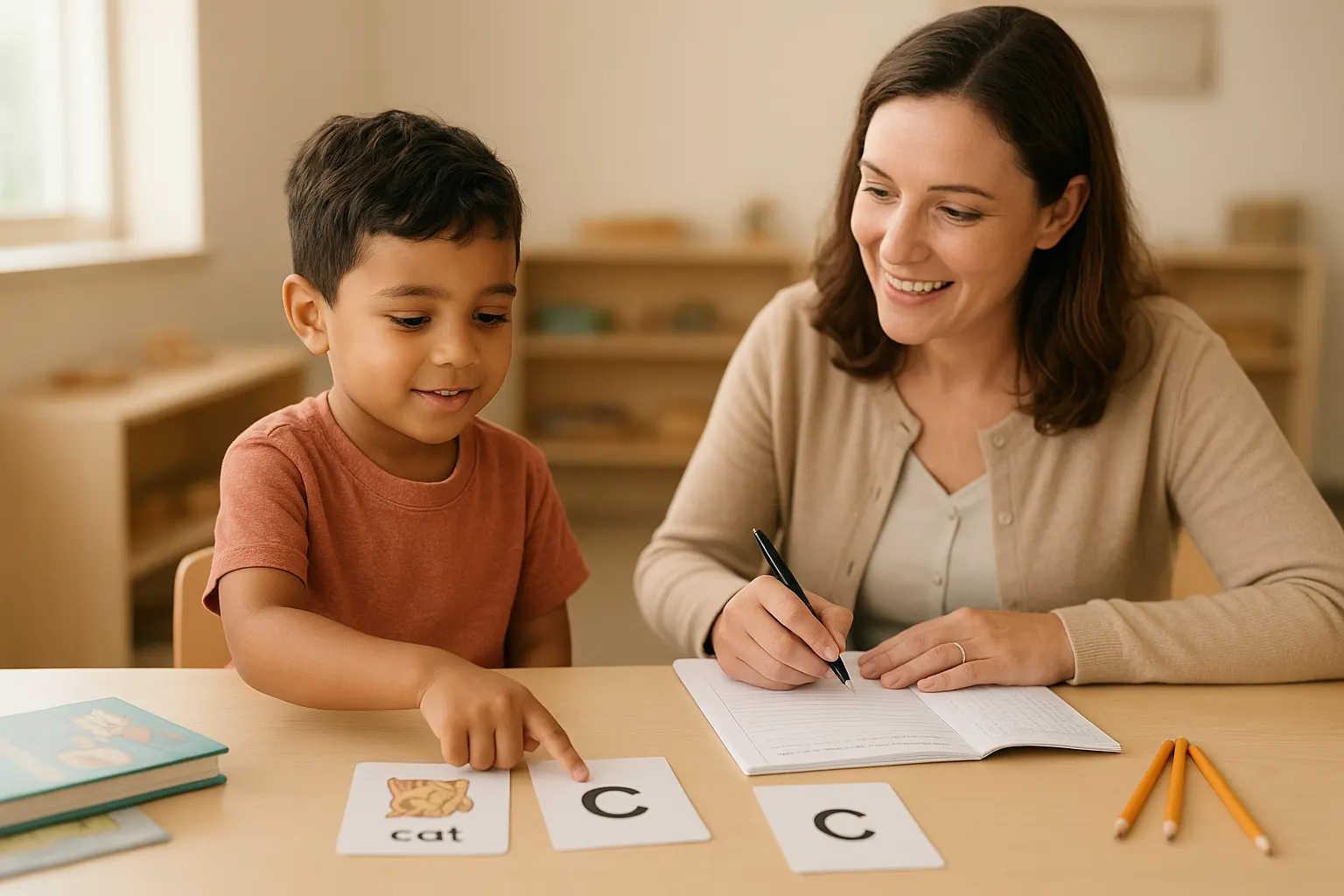
Starting school is exciting, but it can feel overwhelming for parents. What do teachers actually look for in those first days and weeks?
In many countries, school entry assessments are mandatory, though some exemptions may apply. These assessments are usually conducted one-on-one at the start of the school year, and teachers also gather information through classroom observations, informal tasks, and early learning activities.
Knowing what teachers assess can help your child start school confidently and reduce stress for both of you.
The good news is that you don’t need teaching qualifications, complex activities, or long after-school routines. What children need most is a supportive home environment that nurtures curiosity, independence, emotional resilience, and a love of learning.
Here are the five things teachers most wish parents knew—practical, evidence-informed strategies you can start today.
Key Areas Teachers Assess
1. Early Literacy Skills
Teachers assess a range of essential early literacy skills—some of which include:
- Recognising and playing with sounds in words.
- Connecting sounds to letters.
- Retelling stories and listening comprehension.
- Understanding print and basic vocabulary.
Mini tip: Read a short story together daily, point out letters in the environment, and play sound games like “I spy with my little eye something that starts/ends with the sound…?”
2. Early Numeracy Skills
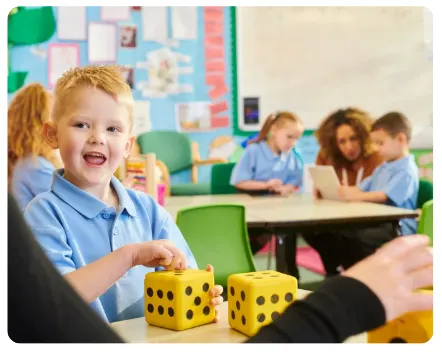
Teachers observe:
- Counting forwards and backwards (using one-to-one correspondence).
- Recognising and ordering numbers (including subitising).
- Comparing quantities and attributes (short/long, light/heavy, big/small).
- Recognising and continuing simple patterns, and sorting objects.
Mini tip: Count objects in daily life, explore numbers on signs or clocks, create simple patterns with blocks or beads, and describe attributes and comparisons (shorter/longer, lighter/heavier, big/bigger/biggest, etc.).
3. Language and Communication
Teachers assess how children:
- Understand instructions.
- Express ideas in sentences.
- Use vocabulary to describe and explain.
- Engage in conversation.
Mini tip: Ask open-ended questions like “What did you notice?” and encourage your child to explain their thinking.
4. Social Skills & Confidence

Teachers look for:
- Participating in group activities.
- Sharing and taking turns.
- Confidence separating from caregivers.
- Coping with new routines and challenges (with resilience).
- Being independent (to an age-appropriate level).
Mini tip: Arrange low-pressure playdates, practise small routines, give your child opportunities to do more for themselves, and talk positively about school.
5. Fine Motor and Classroom Skills
These include:
- Holding a pencil.
- Cutting with scissors.
- Drawing simple shapes.
- Managing personal belongings.
Mini tip: Encourage drawing, tracing, craft activities, and practising opening school snacks and bottles.
6. Curiosity & Engagement

Teachers notice children who:
- Explore and ask questions.
- Actively participate in learning.
- Show enthusiasm and persistence.
Mini tip: Model inquiry thinking out loud with phrases like “I wonder why/how/when…?” Spark curiosity with hands-on activities, nature walks, visits to new places, or simple experiments at home.
Want a Clear, Confidence-Building Plan?
If you’d like step-by-step guidance on exactly how to support your child’s eight core literacy skills at home, explore:
👉 Ready for School: A Parent’s Guide to Literacy-Based Entry Assessments
This 71-page PDF helps parents:
- Understand the eight core literacy skills teachers assess.
- Learn why each skill matters and how to support it at home.
- Access evidence-based, practical guidance for busy schedules.
- Use a toolkit of screen-free activities similar to classroom tasks.
- Nurture your child’s confidence in learning and literacy.
PLUS: the 4-Week Literacy Launchpad — perfect for school holidays.

About the Author
Mrs W is a primary/elementary teacher with over 14 years of experience and has worked as a curriculum coordinator and learning specialist. She also completed postgraduate studies in Educational Neuroscience at the University of Melbourne. A mum of two, she is the creator of Ready for School: A Parent's Guide to Literacy-Based Entry Assessments, a research-informed guide used by parents and endorsed by educators, designed to make school entry assessments transparent and help children build confidence and foundational skills for a smooth start to school—and beyond.