Non-Academic Essentials: Holiday Activities to Prepare for School
· 3 min read
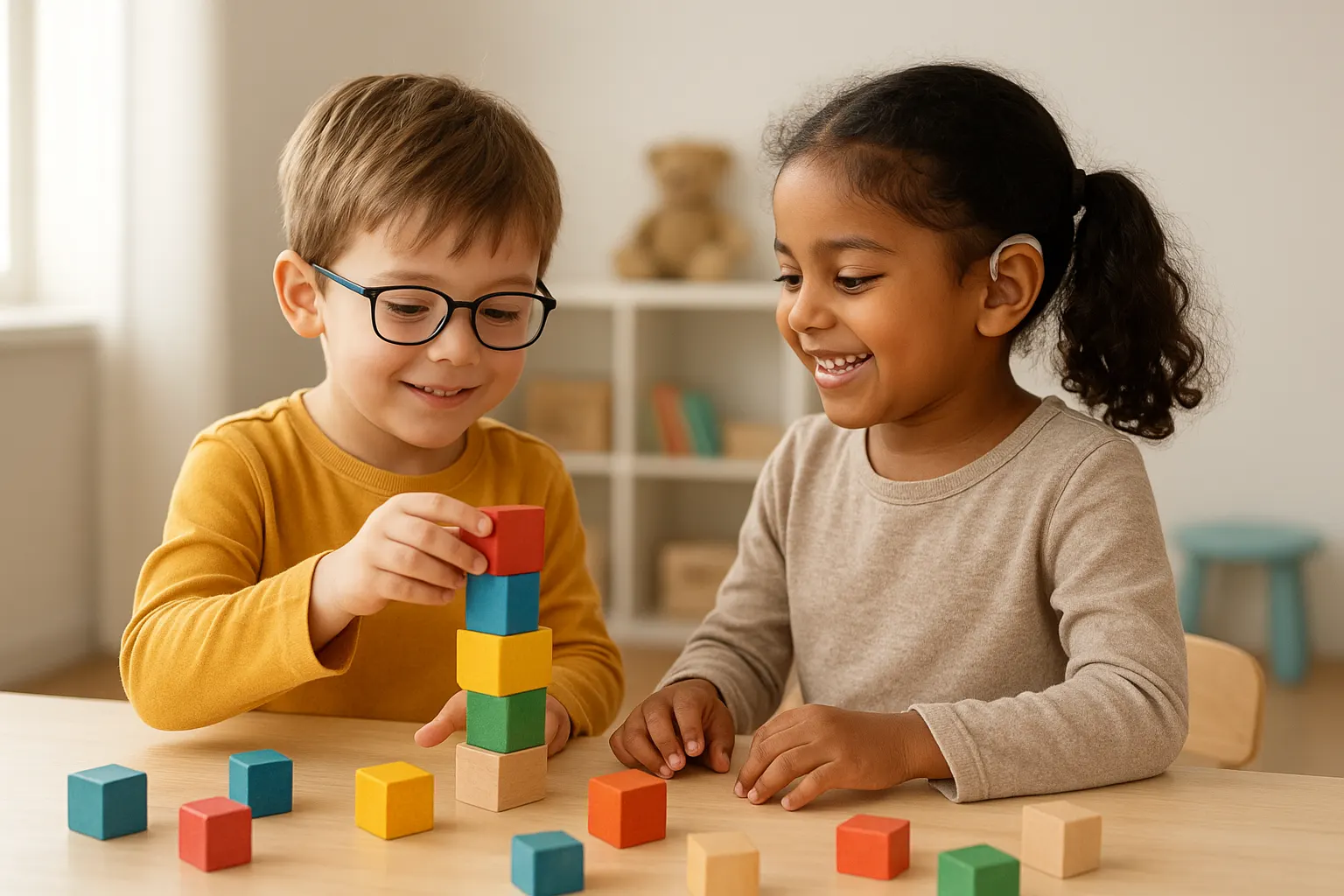
1. Organise Playdates
Arrange a playdate with a child who will be in your child’s class. Seeing a familiar face on the first day can bring enormous comfort. Playdates also give children authentic opportunities to practise social skills—sharing, taking turns, communicating, negotiating, and resolving small disagreements.
These skills matter immensely for school success and help children feel confident in group settings.
2. Snack and Lunch Practice
Use your child’s actual school lunchbox for snacks and meals so they can get comfortable opening and closing compartments and managing containers or wrappers.
If feasible, try to align mealtimes with the school’s usual eating and break times. This helps your child’s body clock adjust to the rhythm of the school day and makes the routine feel familiar.
Most schools allow only a short window for eating, so practising at home within a similar time frame helps your child learn to pace themselves and eat enough before rushing off to play. These small habits can make a big difference in ensuring they stay nourished and energised throughout the day.
3. Mastering Shoes and Socks
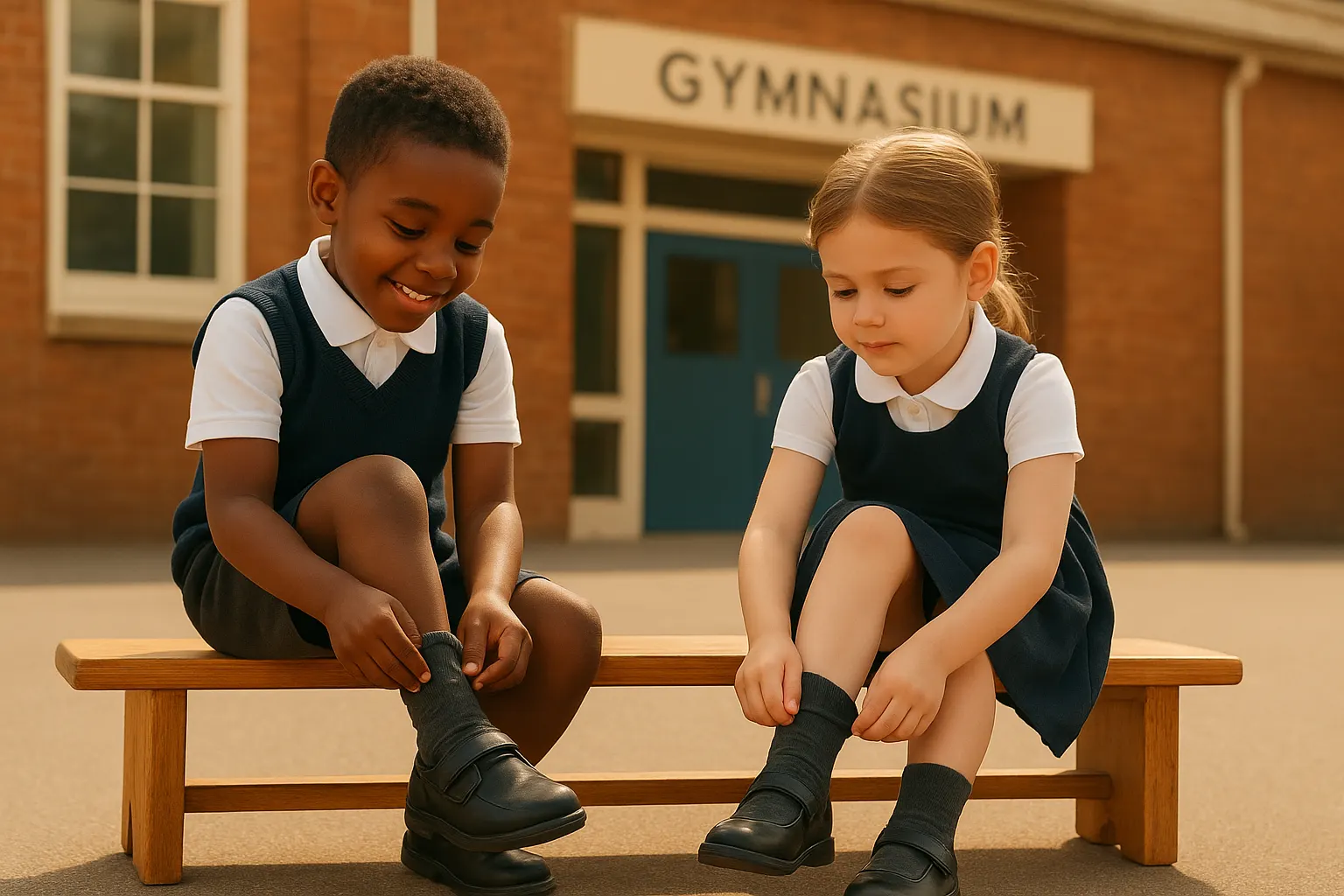
Support your child to independently take off and put on their school shoes and socks—especially on days involving sport, PE, or PMP-type programs. Small moments of independence build confidence and reduce pressure in the classroom.
4. Toilet Door Practice
Help your child learn to lock and unlock public toilet doors safely and calmly. This builds confidence when using unfamiliar toilets at school.
Encourage them to tell their teacher as soon as they need to go—rather than waiting or feeling unsure—so they avoid discomfort or accidents.
5. Read About Starting School
Picture books are a wonderful way to open conversations and normalise feelings. Try titles like:
- First Day — Andrew Daddo & Jonathan Bentley
- My First Day at School — Meredith Costain & Michelle Mackintosh
6. Familiarise Your Child with the School
Take a walk, ride, or drive past the school during the holidays. Notice the playground, the gate, or where you’ll say goodbye in the mornings. Familiarity removes uncertainty and helps children feel grounded on day one.
7. Uniform Independence
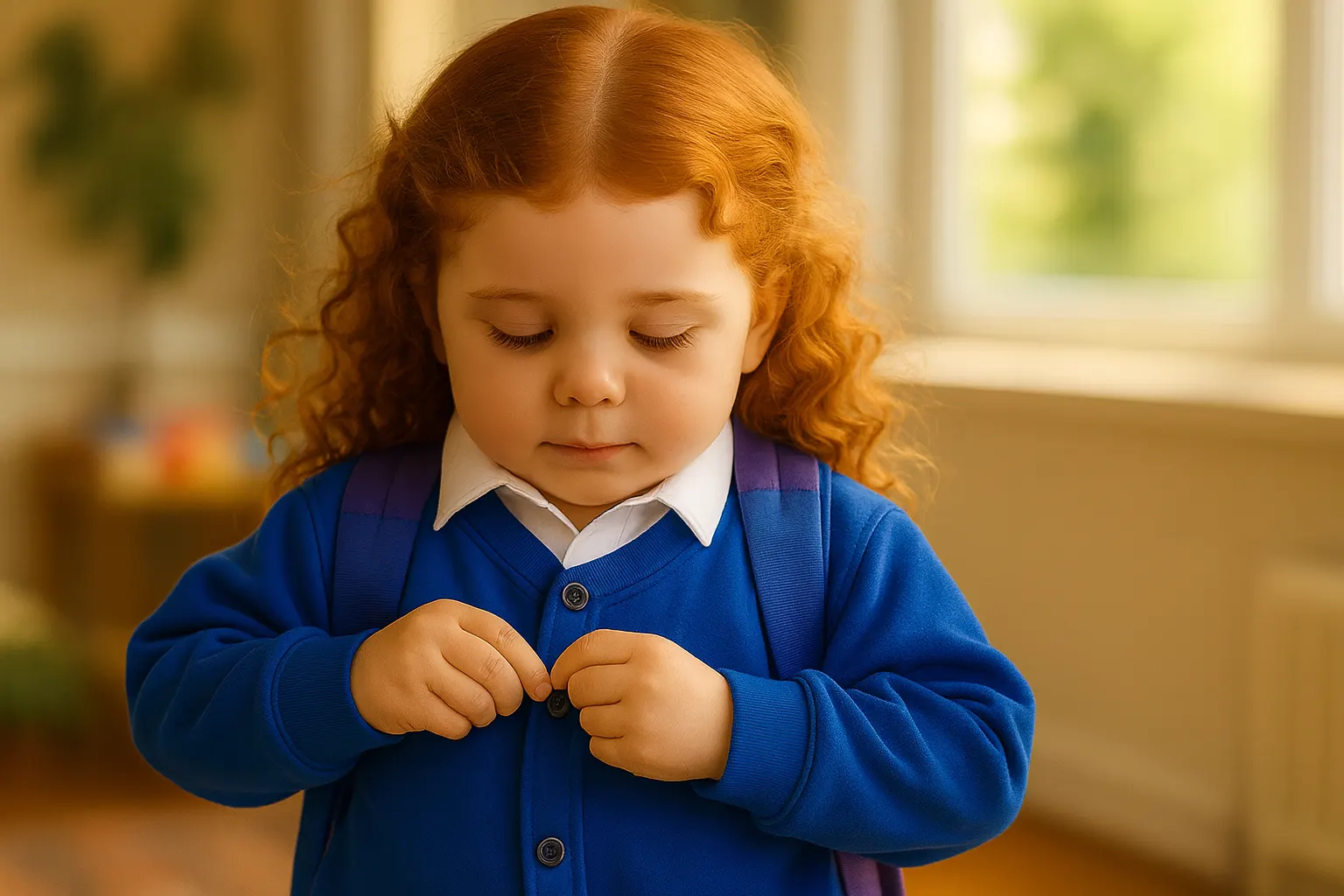
Practise putting on the full school uniform—including managing jumpers, hats, zips, buttons, and any tricky bits. These routines help your child feel comfortable dressing themselves and reduce morning stress for everyone.
8. Label Everything
Label uniforms, hats, lunchboxes, drink bottles, and every loose item you can think of. Clear labels reduce mix-ups and help lost items find their way home—because things will get left behind at some point!
9. Bag Packing and Unzipping Skills
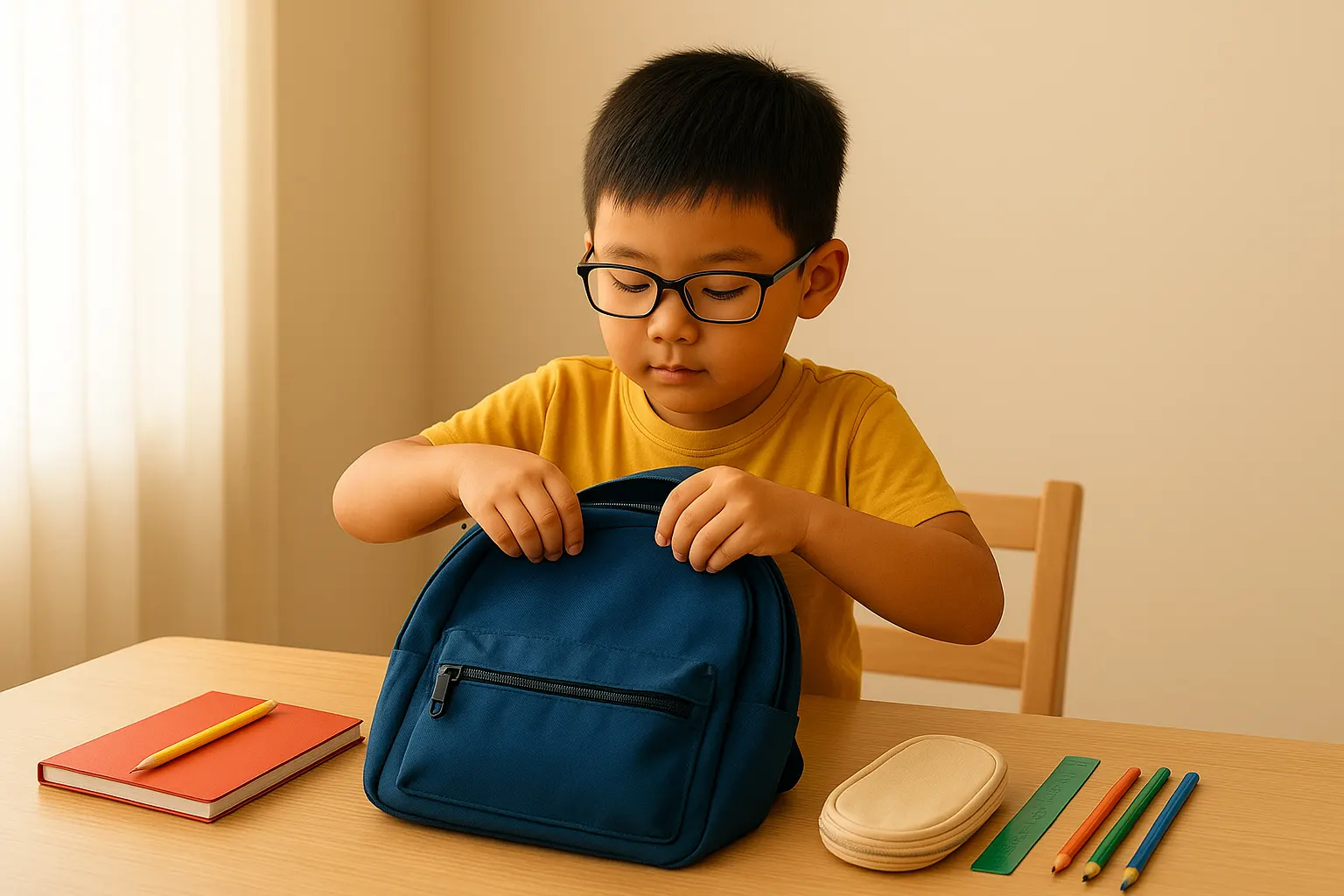
Show your child how to:
- pack their school bag
- zip and unzip compartments
- recognise where key items belong
- check for what needs to come home
10. Savour the Holidays Together
Once school starts, time seems to speed up, and before long you’ll be wondering where those early years went. Use the holidays to enjoy unhurried play—board games, card games, playground adventures, imaginative play, or anything you both enjoy.
These moments build connection while naturally supporting skills like:
- taking turns
- following rules
- concentrating
- persisting
- coping with winning and losing
Play really is the foundation for so many school-ready strengths.

About the Author
Mrs W is a primary/elementary teacher with over 14 years of experience and has worked as a curriculum coordinator and learning specialist. She also completed postgraduate studies in Educational Neuroscience at the University of Melbourne. A mum of two, she is the creator of Ready for School: A Parent's Guide to Literacy-Based Entry Assessments, a research-informed guide used by parents and endorsed by educators, designed to make school entry assessments transparent and help children build confidence and foundational skills for a smooth start to school—and beyond.